Science Café 42 started, as always, with introductions, ice-breakers and a reminder of the group’s working agreement. This helps us to create a safe environment for all participants.
Part I
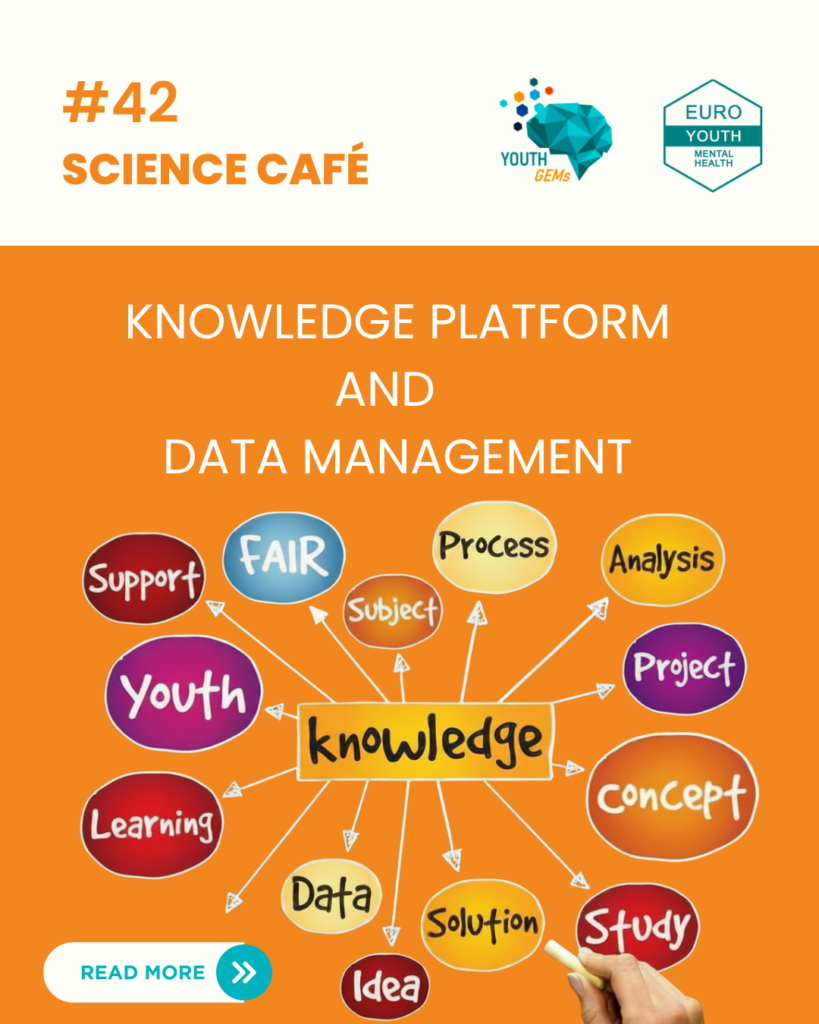
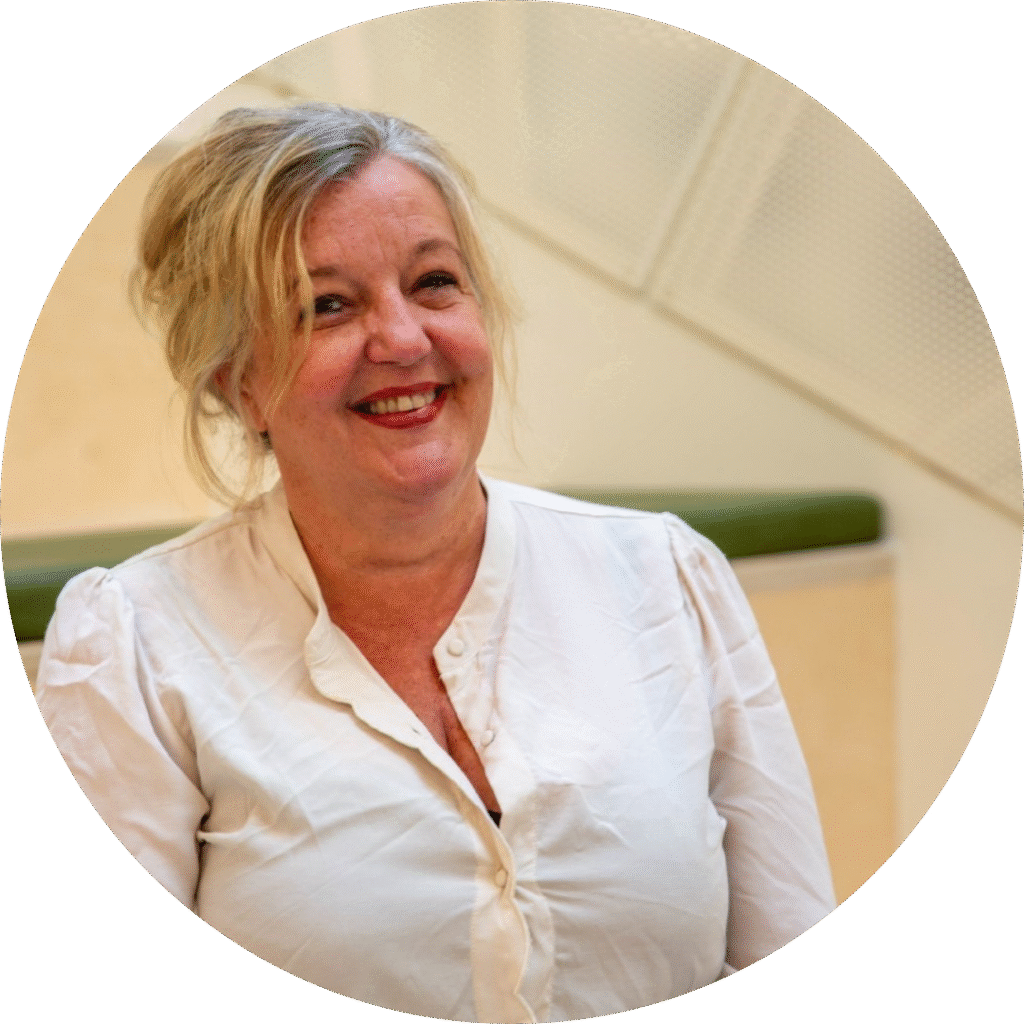
The first topic of the evening focused on the development of the future Youth-GEMs Knowledge Platform. Flore Joskin (Communication and Dissemination Manager at Maastricht University) shared the initial ideas for this dedicated section of the Youth-GEMs website, which aims to bring together information, tools and resources in a way that remains useful and accessible even after the project has ended.
The knowledge platform is being developed for young people as well as the people around them. The Science Café group explored what content on such a platform would be most valuable. Ideas included youth-friendly summaries of the research taking place across the different work packages, information about the GEMMY app, podcasts, e-learning materials, trusted resources and helplines, and stories or quotes that reflect the experiences of young people involved in the project.
Young experts also shared how they usually search for information themselves. Google, TikTok and YouTube were mentioned most often, highlighting the importance of meeting young people where they already look for answers. The discussion expanded to questions of trust, accessibility and sustainability.
Suggestions included adding “a day in the life” stories from both researchers and young experts, providing contact details for project members, and ensuring the website is accessible through features such as dark and light modes and dyslexia-friendly fonts. Participants also emphasised that a clean, professional design helps users feel confident that the information provided is trustworthy.
Part II
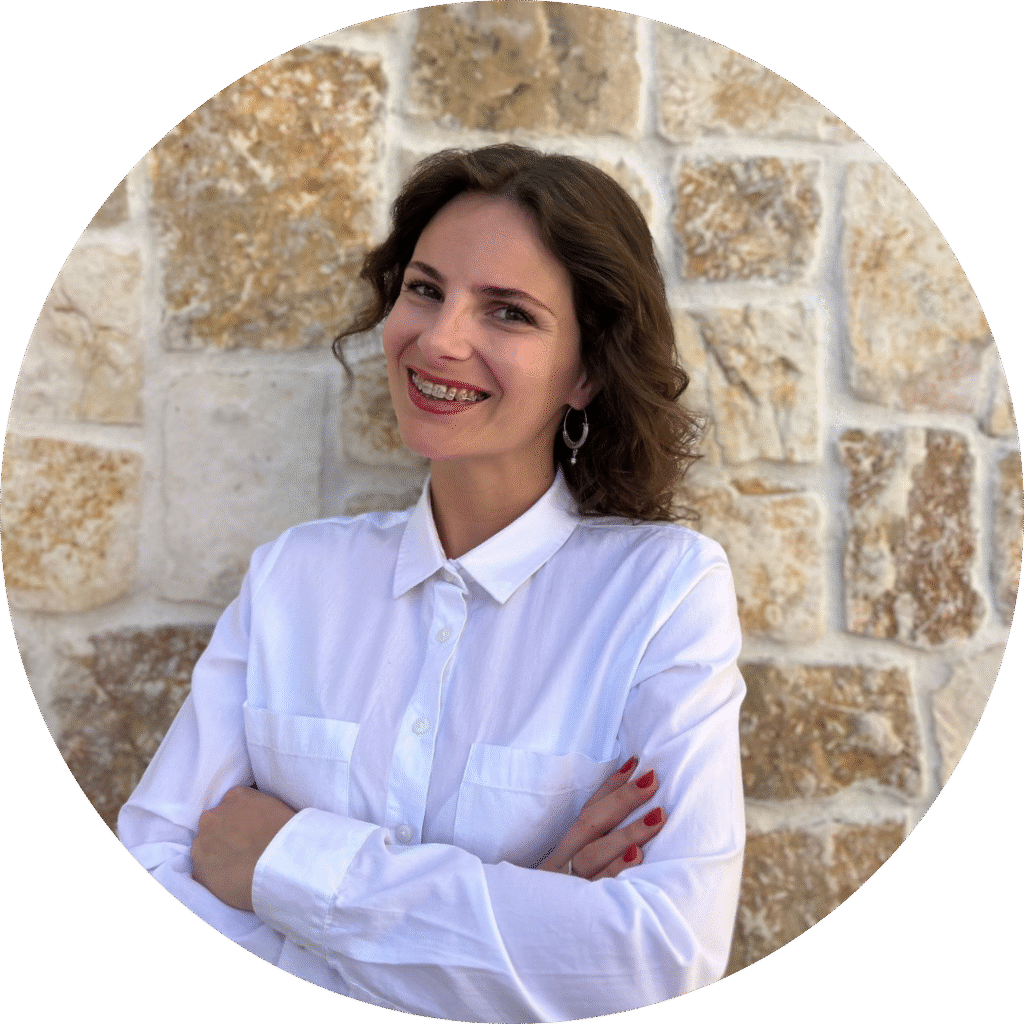
In the second part of the Science Café, Aldar Cabrelles Muñoz (Data Coordinator and Curator at the European Genome-Phenome Archive – EGA) gave an engaging introduction to a topic that often stays behind the scenes: data management. Using the analogy of a chef creating a recipe book, he explained how researchers organise, process and share scientific data so that findings can be trusted and reused by others. He introduced the FAIR principles (making data Findable, Accessible, Interoperable and Reusable) and showed why these principles have become increasingly important in research.
Aldar offered a glimpse into the complexity of data management within Youth-GEMs. The project combines information from multiple studies and brings together genetic, environmental, clinical and social data from around 2,000 participants. With over 1,200 clinical data fields and 140 app-related variables being collected, careful planning and collaboration are essential. He explained how data from different institutions and work packages are harmonised using shared vocabularies and coding systems, and highlighted the tremendous teamwork required to make this process successful. What could have been a highly technical topic became an accessible and interactive discussion, and the group thanked Aldar for making the world of data management understandable and engaging.
If you’ve been following our Science Café series, you’ll know that these conversations continue to show the value of bringing researchers and young experts together. Whether discussing websites, data management or lived experiences, it is the shared exchange of ideas that helps make Youth-GEMs stronger. We thank all young experts and Euro Youth Mental Health for making this actually happen!