Helping Parents and Teachers Better Support Young People
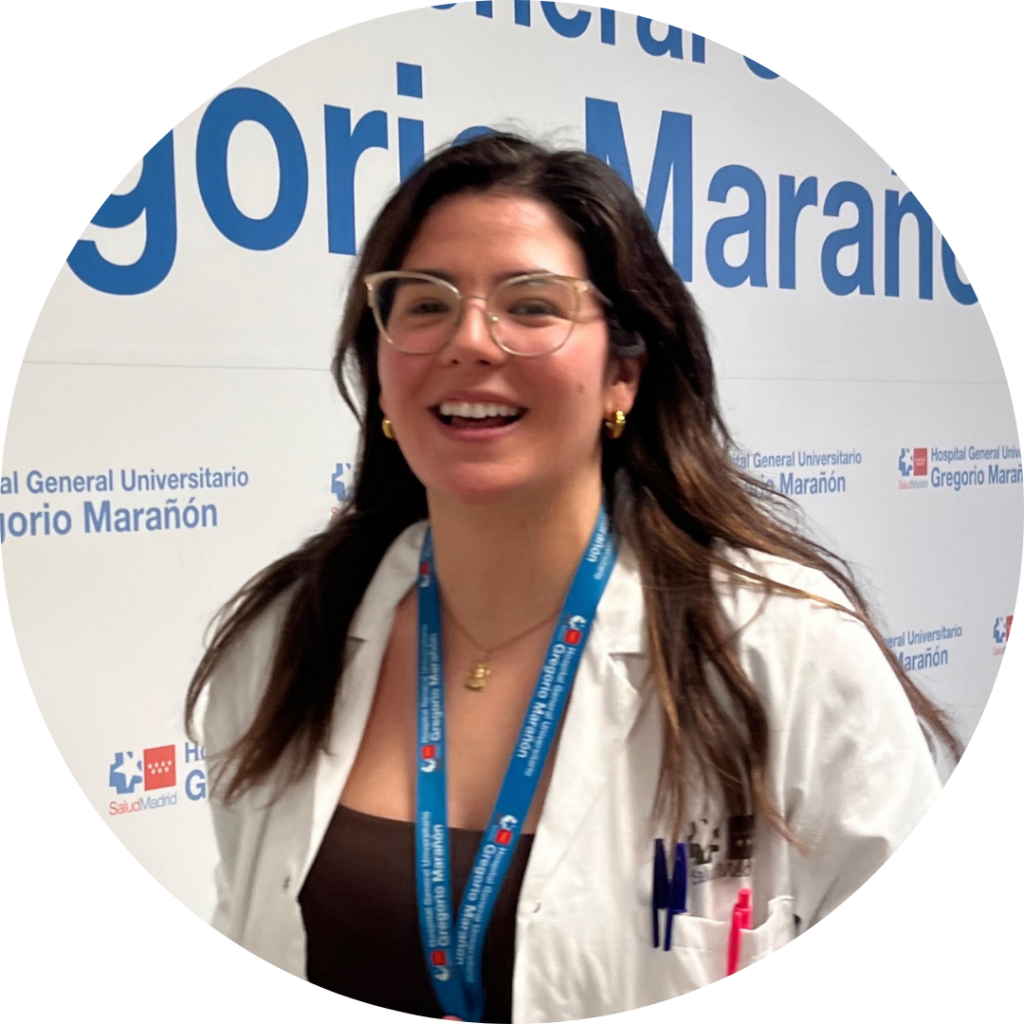
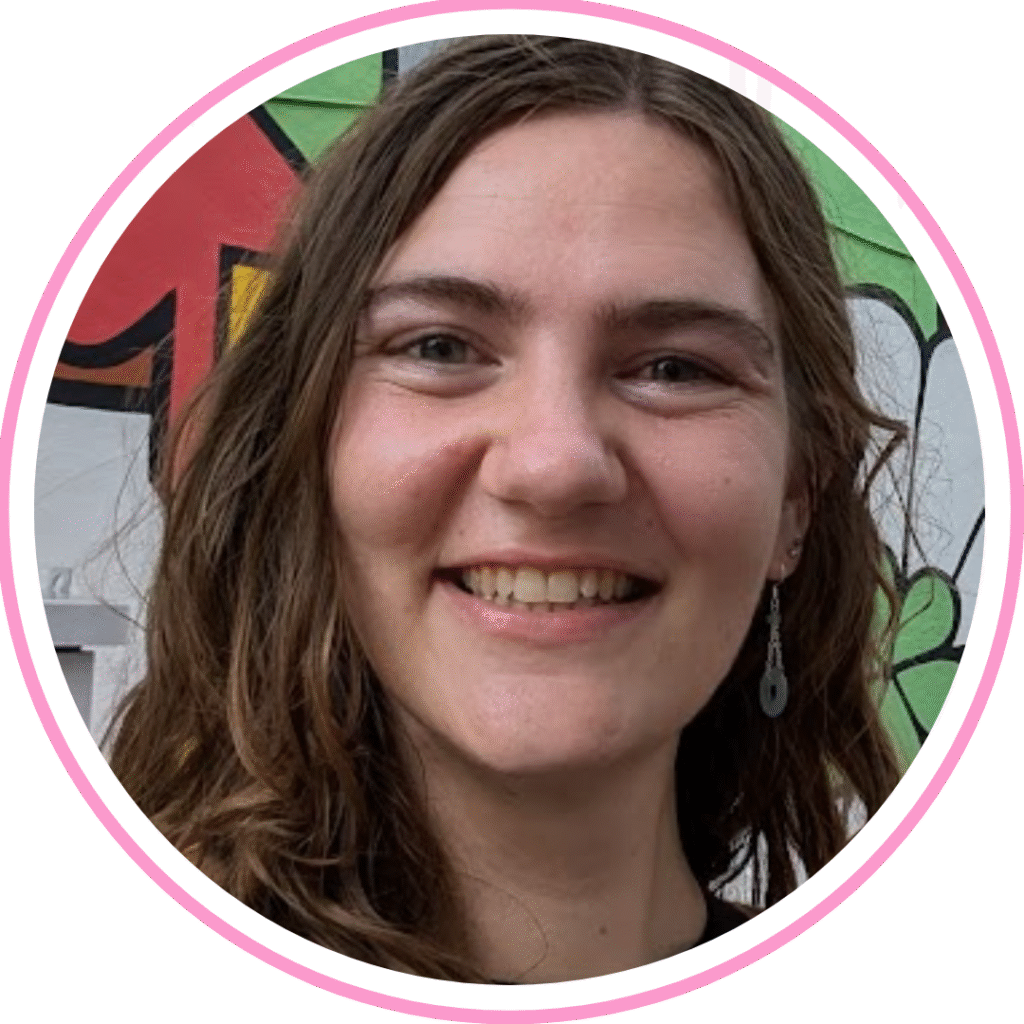
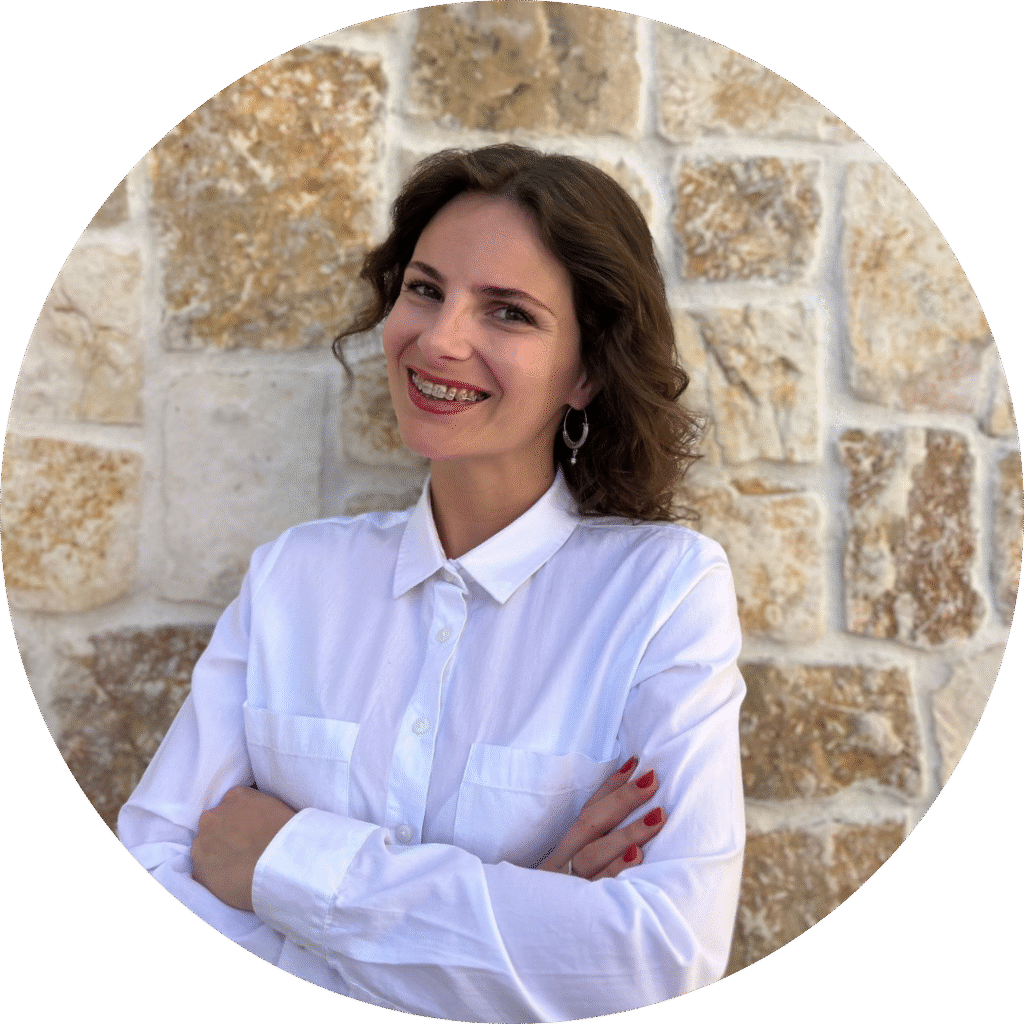
Isabella (22) and Shanti (21) are students of Ecological Pedagogy at Utrecht University of Applied Sciences in the Netherlands. As part of their graduation project, they joined the Youth-GEMs project, where they conducted qualitative research into the mental health of young people and contributed to the development of an e-learning course for parents and teachers.
From research to e-learning
Over the past few months, Isabella focused on researching the recognition of mental health challenges in young people. She examined identity development during adolescence and the challenges that can arise throughout this process. As Isabella explains, “The topic of mental health challenges appeals to me greatly, which is why I chose to carry out my graduation project within the Youth-GEMs project.” During her previous internship at a dedicated facility in a secondary school, she supported young people with various mental health challenges and noticed that “young people with similar challenges can express themselves very differently and have diverse support needs.” Wanting to better understand how to recognise what young people need, she deepened her knowledge through desk research and conversations with young people, parents, and teachers.
Shanti focused on how diagnoses relate to the mental health of young people, examining the diagnoses that, according to the literature, are most prevalent among adolescents. She explains, “I consider mental health a very important subject. Based on my own interest and experiences, I felt it was important to join the Youth-GEMs project.” During her previous internship at HandjeHelpen, she mentored young people struggling with mental health challenges, where she saw that “every young person has their own story.” Through her graduation research, she conducted several in-depth interviews, gaining valuable insights into young people’s mental health that complemented the literature she examined.
Together, they translated their findings into an e-learning module for parents and teachers to help them better recognise, understand, and support young people experiencing mental health challenges.
Recognising what young people need
Isabella believes it is important that the e-learning demonstrates that “periods of insecurity are perfectly normal during adolescence.” Having experienced periods of insecurity herself, she wants to show parents and teachers how valuable it is to acknowledge those feelings and openly discuss them. “After all, they often have more influence on young people than they realize,” she says. She recalls hearing from someone that a teacher made all the difference during a difficult period simply by being there and offering support. “With this e-learning, I hope to provide parents and teachers with the tools to fulfil that same supportive role.”
Every person has their own story
Shanti hopes that the e-learning will help parents and teachers better understand young people so they can offer recognition and appropriate support.
Over the past few months, Isabella and Shanti not only engaged in conversations with young people, parents, and teachers in the Netherlands, but also participated in panel meetings and science cafés with young experts, parents, and teachers from across Europe. During these sessions, they presented their findings and gathered feedback from the target groups. They found this incredibly educational and are very grateful for the openness and collaboration of everyone involved.
Looking to the future
Looking ahead, Isabella will bring the knowledge and experiences she has gained through this project into her work as an ecological pedagogue. First, however, she will explore the world during a gap year, volunteering in South Africa at a kids’ club project and supporting children in developing important motor and social skills. As she says, “I’m looking forward to making a difference, not only in the Netherlands but also abroad.”
Shanti is equally grateful for the experiences and knowledge she has gained through the project. “I would like to thank everyone involved in the Youth-GEMs project for their hospitality and for giving me the opportunity to complete my studies within this special project,” she says. She is taking her knowledge, experiences, and passion with her as she continues exploring her future as an ecological educator. For now, she will continue working at an after-school care facility, where she enjoys supporting children and young people.
This blog post was written with the help of:

Shanti
Ecological Pedagogy
Utrecht University of Applied Sciences in the Netherlands

Isabella
Ecological Pedagogy
Utrecht University of Applied Sciences in the Netherlands