As a PhD student at Child Health Research Centre, University of Queensland (Brisbane, Australia), Swathi Hassan Gangaraju investigates on developing predictive models that integrate genetic and environmental data to better understand youth mental health outcomes. Her PhD aims to identify how interactions between genetic susceptibility and environmental exposures shape individual risk trajectories for conditions such as depression, anxiety, ADHD and broader childhood psychopathology. The translation goal is to contribute tools and insights that could help to identify individuals at higher risk for mental health difficulties, supporting earlier intervention and personalized approaches to prevention.
As part of the Youth-GEMs project, Swathi undertook a two-day research visit at Amsterdam UMC (Amsterdam University Medical Center) in October and also participated in the project’s consortium meeting in Milan. Research visits in Youth-GEMs are temporary stays at another academic or research institute, designed to foster collaboration, access new expertise, and support scientific and professional growth within the consortium.
In this blog Swathi shares her experiences, collaborations, and scientific progress during her time in Amsterdam and her participation in the consortium meeting.
My experience with Youth-GEMs research visit (by Swathi Gangaraju)
As part of my PhD research at the Child Health Research Centre, University of Queensland, I work with studies that follow large groups of children from birth over many years (so called longitudinal birth and child cohorts). I look at both their genetics, especially something called “polygenic risk scores”- which estimate a genetic liability of an individual for a particular trait and their environmental experiences, such as family, lifestyle, and early-life exposures. Wherein I combine these polygenic risk scores and environmental factors and apply machine learning (ML) techniques (Artificial intelligence models) to identify early predictors of mental health outcomes. This research aligns closely with ongoing work at Amsterdam UMC, where researchers also use longitudinal cohort data to develop predictive models incorporating genetic and biological markers.
During my visit, I had the opportunity to meet with my associate supervisor, Prof. Christel M. Middeldorp, and her team. I was able to learn more about the departments of the organisation, especially the Department of Child Psychiatry and psychology at Amsterdam UMC. The visit offered insightful information about the integration of clinical care and research to enhance the outcomes for mental health. I learned how research and practice are closely integrated, with Amsterdam UMC’s child psychiatric research shaping innovative, family-centered interventions implemented across Arkin mental health care and Levvel’s youth mental health services.
I had an insightful discussion with Dr Jana Runze (postdoctoral researcher) from Prof. Middeldorp’s team, where we exchanged ideas on applying machine learning in our line of research. Our conversation was highly productive and sparked new ideas for collaboration.
I also met with Dr Margot van de Weijer from Amsterdam UMC, whose work explores how genetics and environment shape mental health (Genetic Epidemiology). She introduced me to new scientific approaches for analysing environmental influences – methods that combine many factors into a single measure (such as PES-S, PRS-O and Environment-Wide Association Studies), making them easier to study alongside polygenic risk scores. These conversations gave me fresh ideas for how to integrate environmental scores and genetic data in my own research, and I’m excited to apply them to improve early prediction of mental health outcomes.
During my visit, I also presented my PhD findings in a seminar attended by researchers and clinicians from various departments at Amsterdam UMC. This provided an excellent platform for academic exchange and feedback. Listening to other presentations helped me appreciate the diversity of work being conducted in areas such as neurodevelopmental disorders, and child and parental mental health.
The second half of the visit – Youth-GEMs consortium meeting
Following this, I attended the Youth-GEMs Annual Meeting in Milan, where I had the opportunity to present my research to the group. The two-day event was an excellent opportunity to connect with other researchers in the Youth-GEMs consortium, receive feedback, and learn about ongoing projects across different work packages.
I was particularly pleased to meet members of Work Package 5, with whom I share research interests in the UK Millennium Cohort Study and Adolescent Brain Cognitive Development Study (ABCD) datasets. These datasets are publicly available longitudinal cohorts that tracked children at different time points and collected various mental health assessments. These discussions gave me new ideas on potential variables and analytical approaches relevant to my own projects. I was also impressed by the platforms developed under Youth-GEMs, such as Gemmy: a self-assessment app designed to help young people track and understand their mental health—and the Youth-GEMs Dashboard. This meeting provided valuable insights into the latest updates and future directions for these platforms, as well as engaging outreach activities by Science Café.
Additionally, I had an enriching discussion with Dr. Esmeralda Ruiz Pujadas, co-lead of Work Package 6, who is working on developing ML models using outcomes from 17-year-olds in the UK Millennium Cohort Study, integrated into the Youth-GEMs Dashboard. Her work closely aligns with mine, and she shared useful advice on model optimisation, method selection, and cross-validation strategies, which will help refine my future analyses.
My thoughts on the experience
Overall, this visit was a highly productive and inspiring experience, providing both scientific insights and collaborative opportunities that will significantly enhance my PhD research. I would like to express my sincere gratitude to Prof. Dr. Bart Rutten, Dr. Sinan Gülöksüz, and the entire Youth-GEMs consortium for providing me with this remarkable opportunity. I would also like to extend my heartfelt thanks to my supervisors, Prof. Dr. Christel Middeldorp and Dr. Enda Byrne, at the Child Health Research Centre, The University of Queensland, for their continuous support and encouragement!
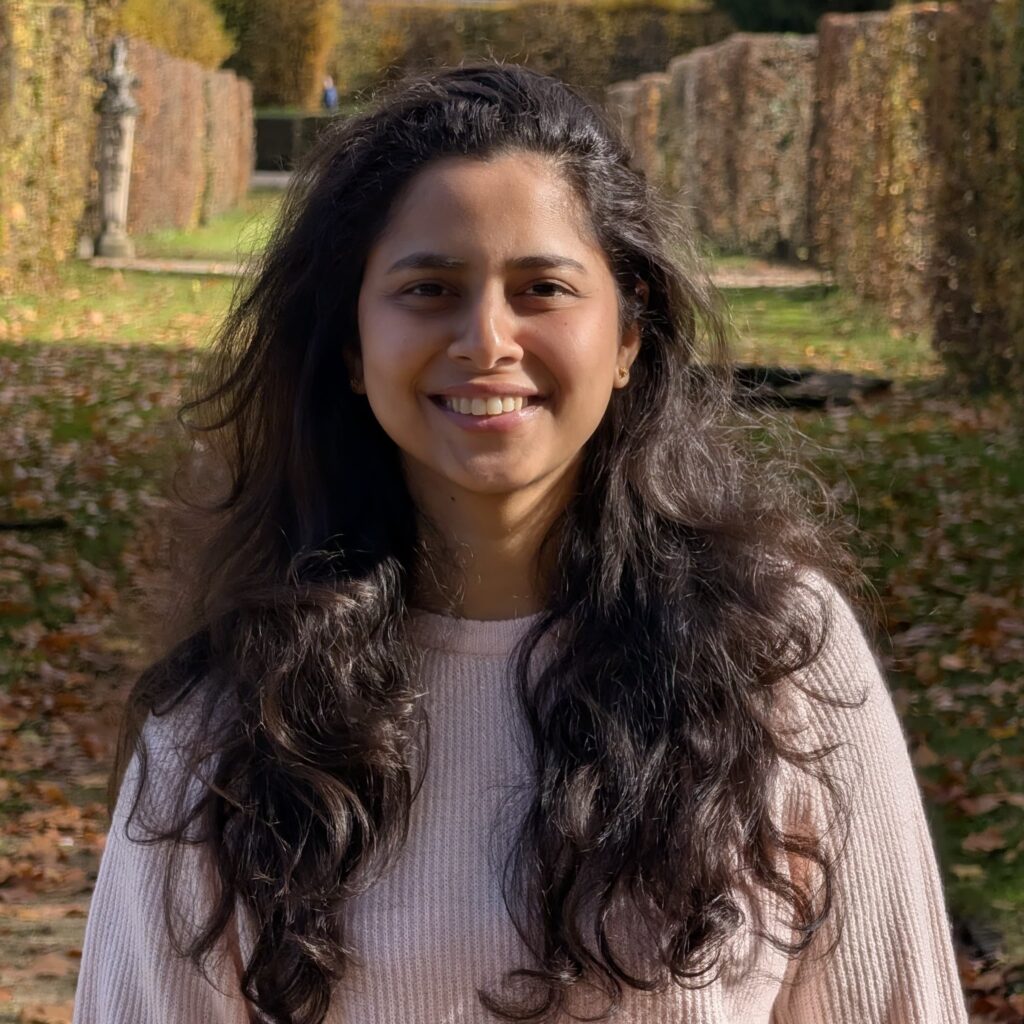
Swathi Hassan Gangaraju
PhD Student | Child Health Research Centre
University of Queensland

Here I stand, captured beside a Joachim Beuckelaer masterpiece
in the Amsterdam Rijksmuseum.
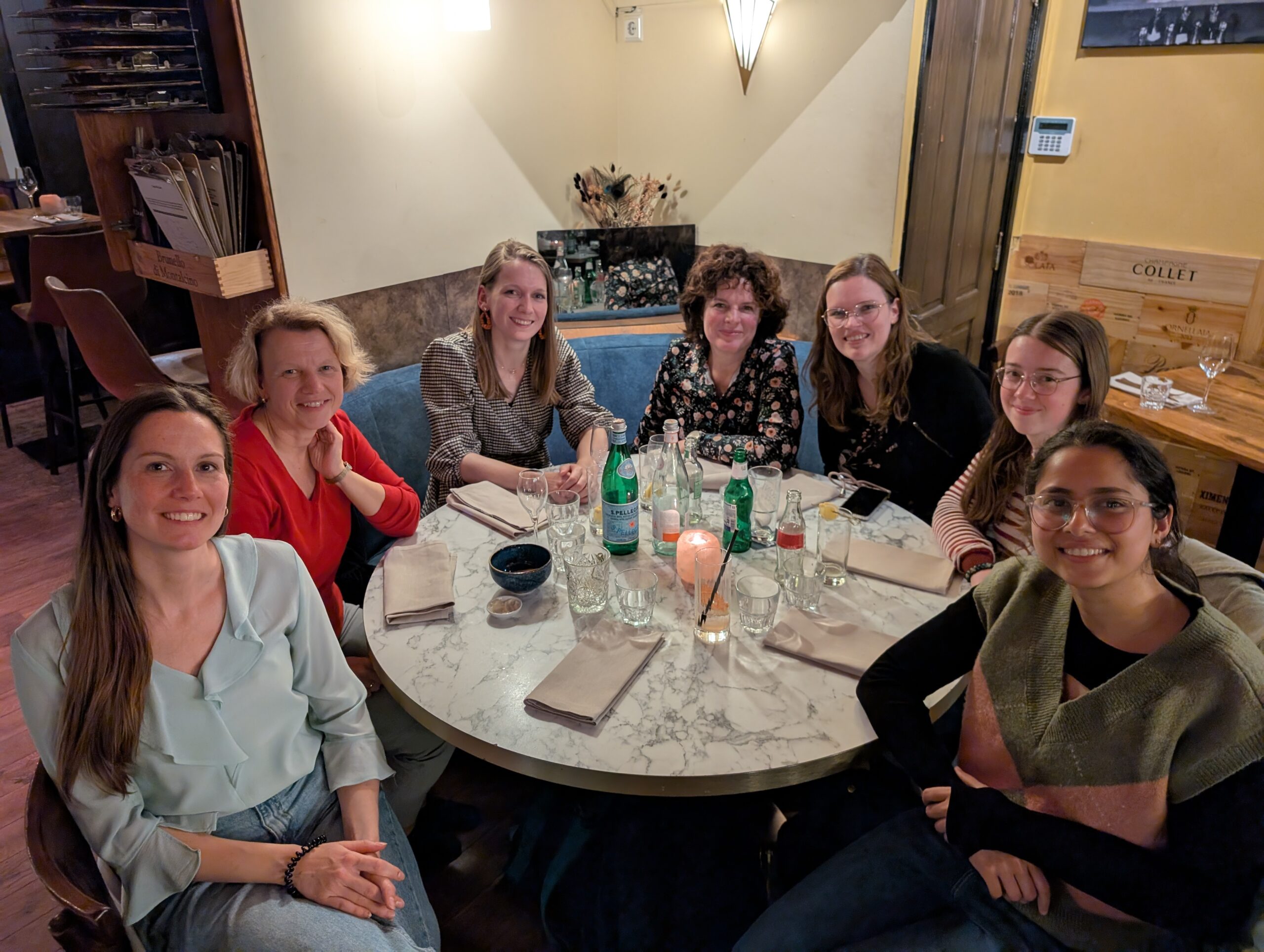
Dinner with the team of Department of Child Psychiatry
and psychology at Amsterdam UMC (Christel team)
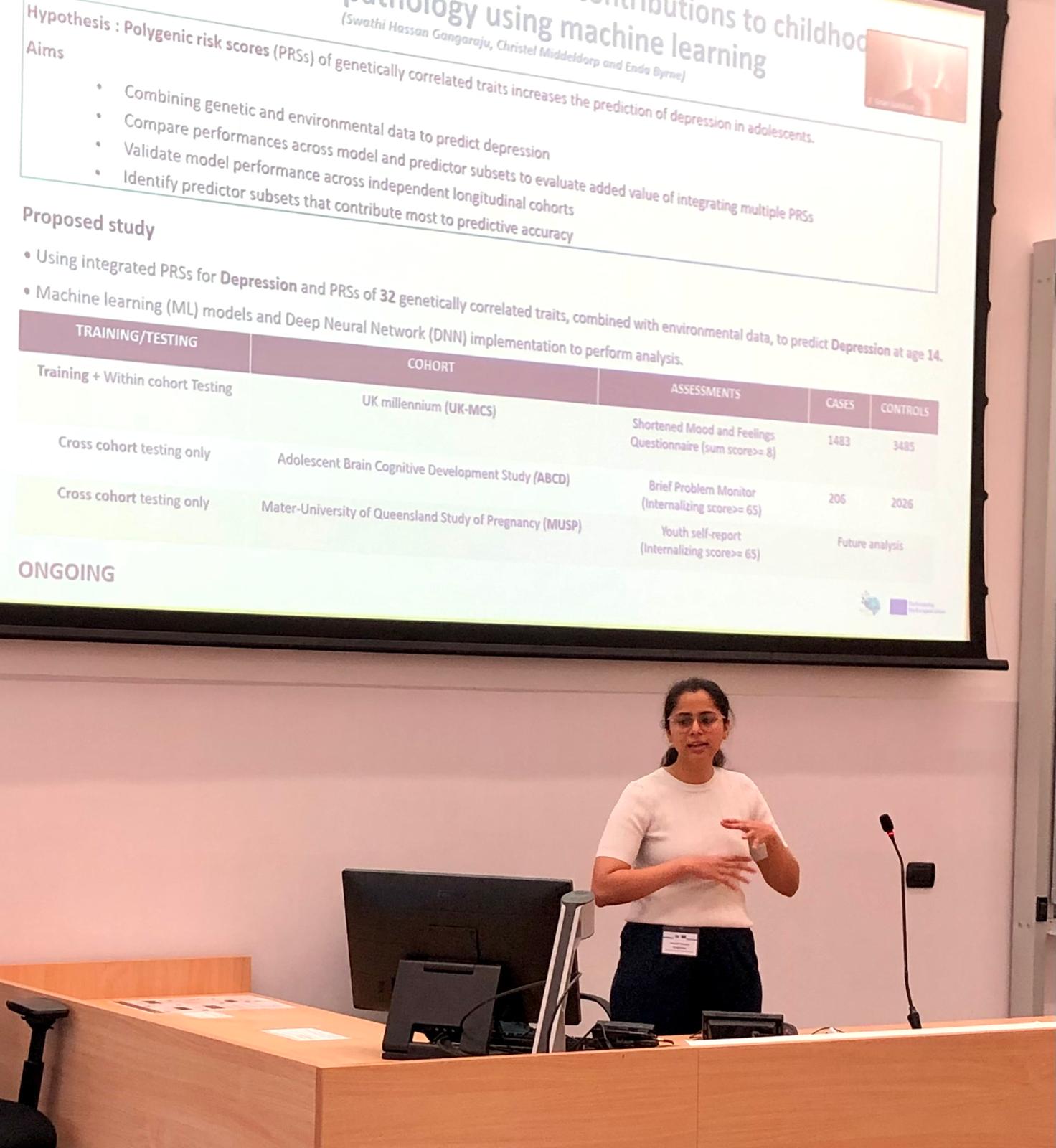
Presentation in the Youth-GEMs annual meeting
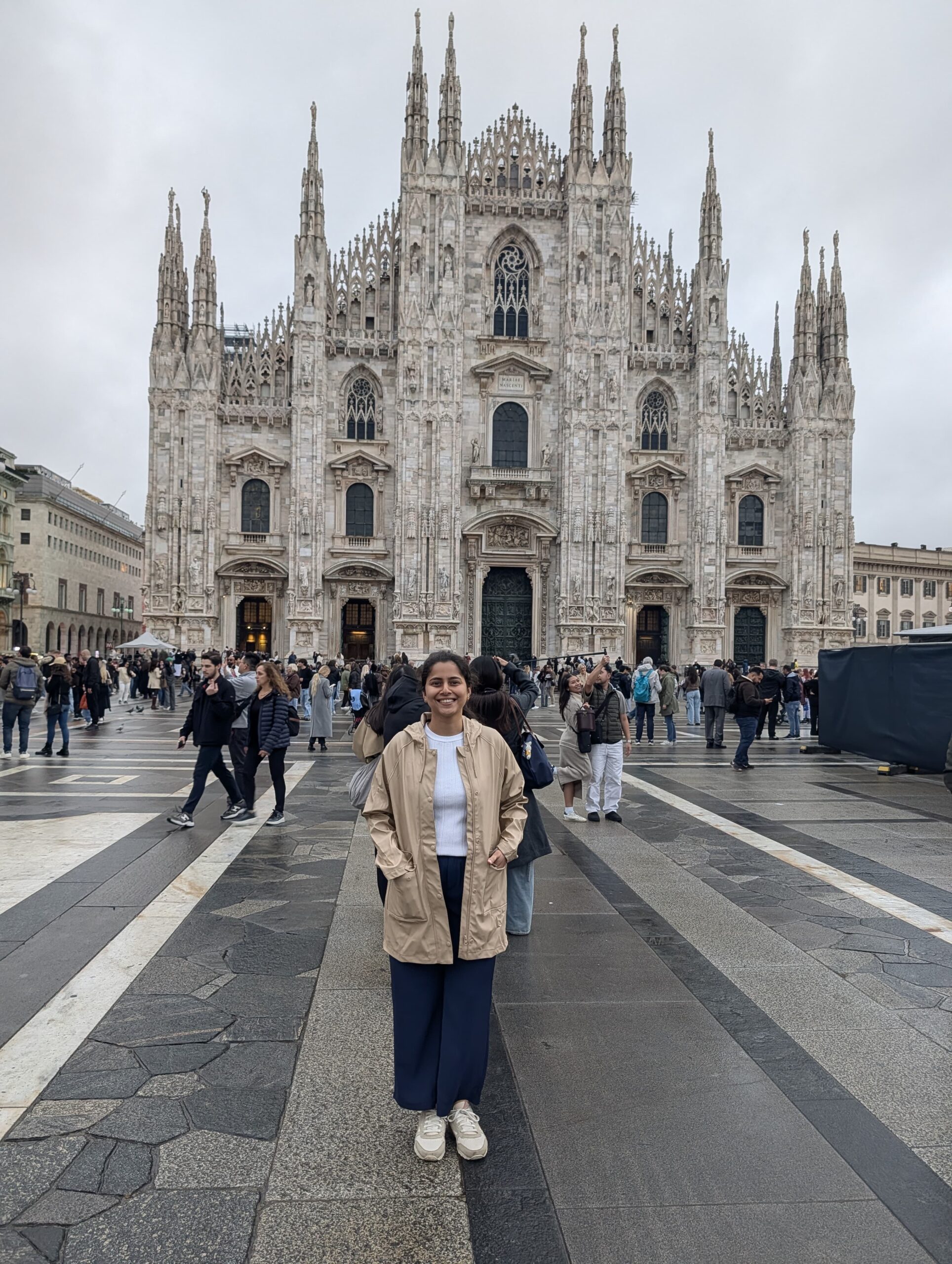
Amazed by Duomo di Milano architecture