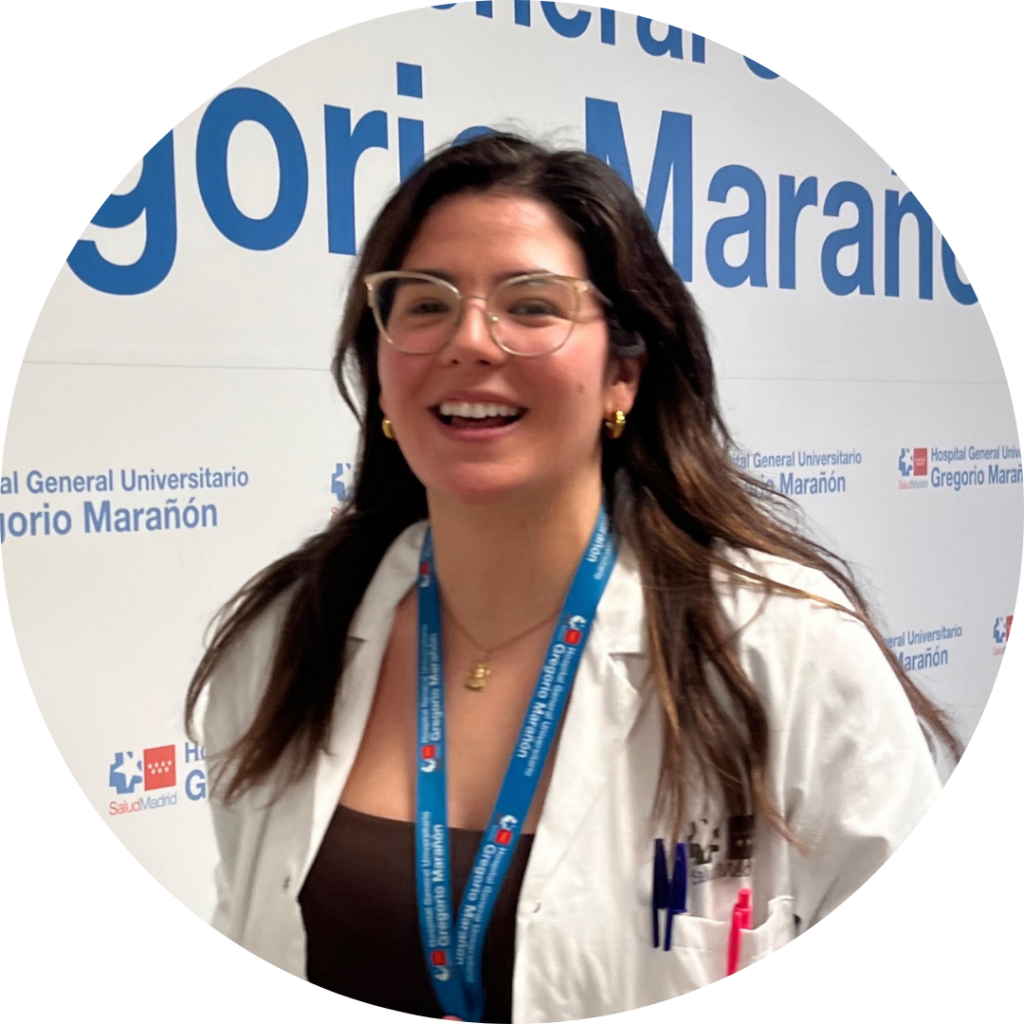
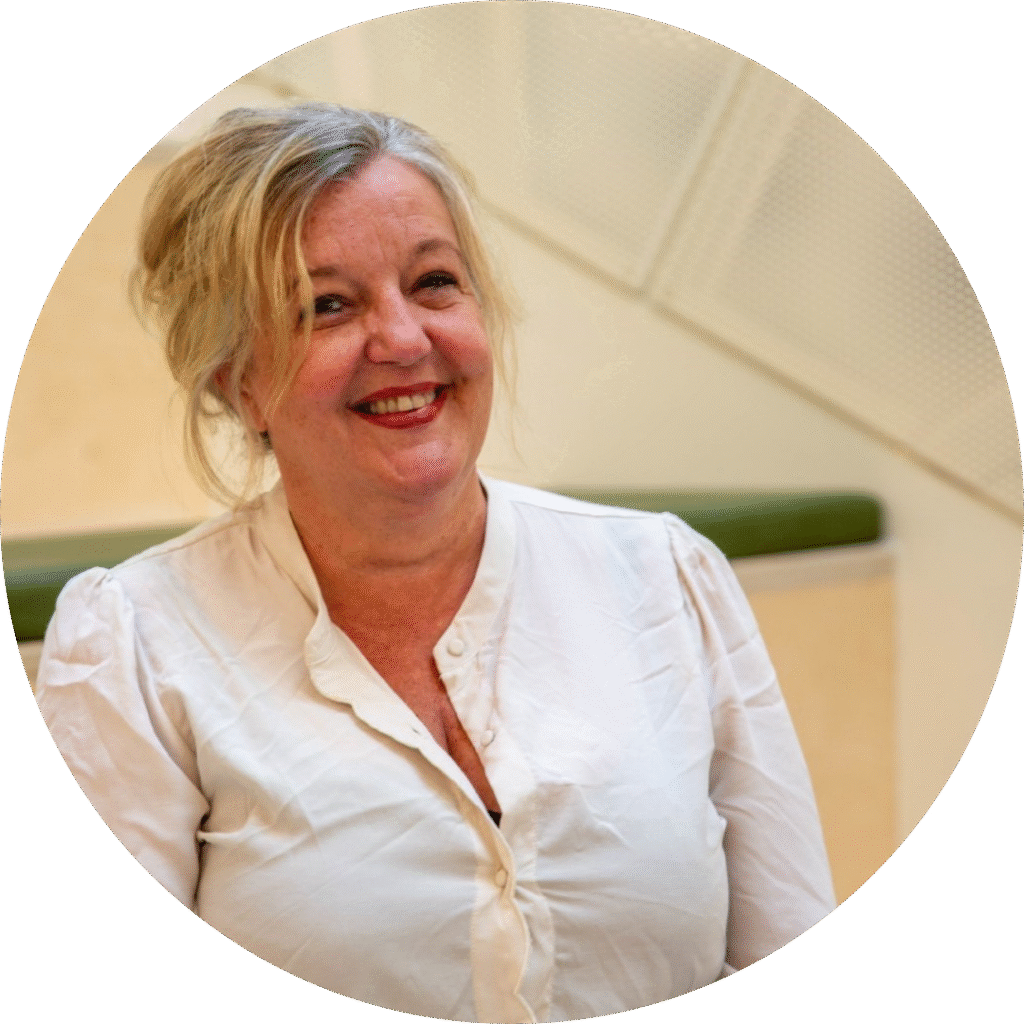
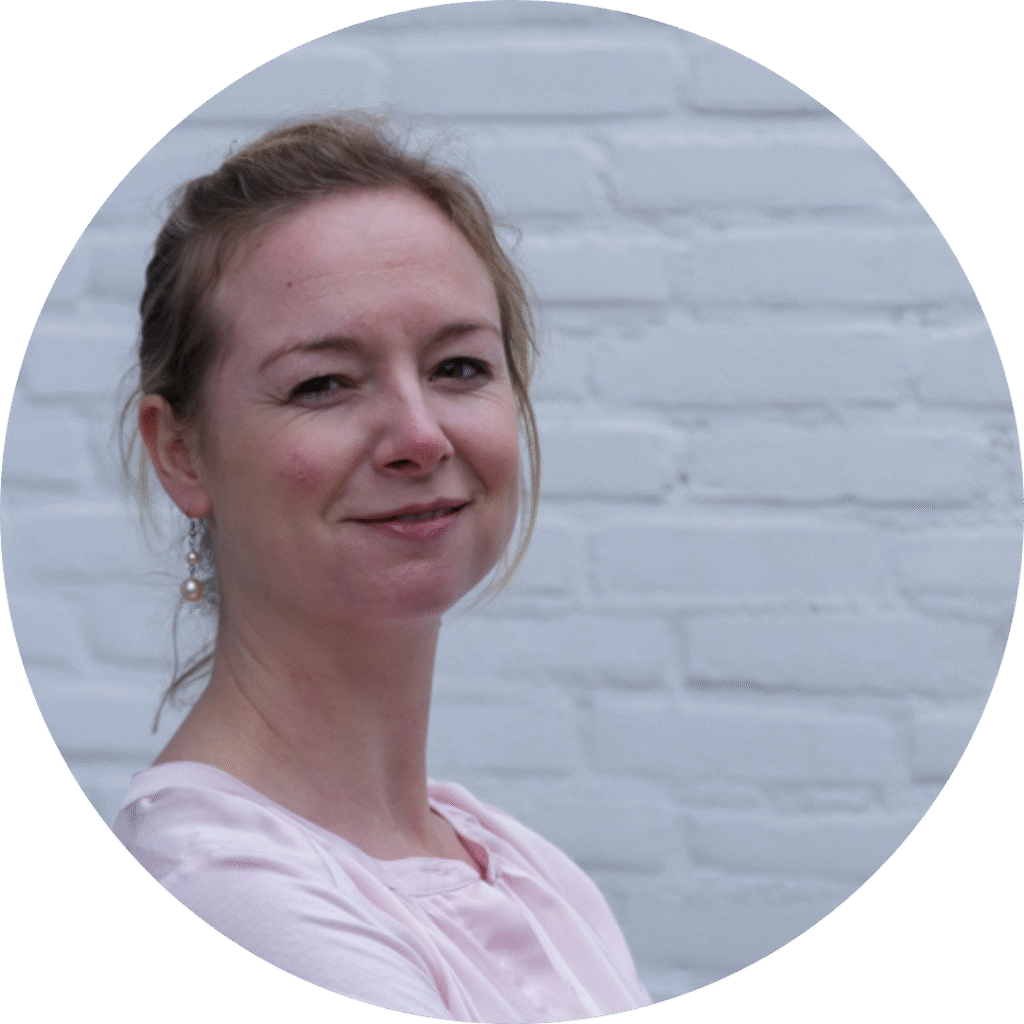
In this Youth-GEMs Science Café, Erika van Hel (neuroscientist and project manager) and Youth-GEMs coordinator professor Dr. Bart Rutten joined young experts for an open conversation about the future of the project, the challenges Youth-GEMs is currently facing, and the role young experts can continue to play in what comes next.
Exploitation and key results in Youth-GEMs
Erika focused on a topic that often sounds technical, but is actually very practical: exploitation. In Youth-GEMs, this is about how the tools, knowledge and ideas developed during the project can continue to be used and improved after the project officially ends. She shared an update on three key results that are especially important in this process: the Youth-GEMs mental health monitoring system, the GEMMY wellbeing app, and the future Youth-GEMs knowledge platform.
Both the monitoring system and the GEMMY app were co-designed with young experts. The monitoring system is currently being used in the clinical study and helps researchers and clinicians gain better insight into patterns that may be related to mental health. GEMMY, the wellbeing app, is also being tested and explored further, with user feedback playing an important role in thinking about its future. Erika also explained that the Youth-GEMs website is expected to grow into a broader knowledge platform, where different audiences (including young people, parents, teachers and scientists) can access useful information from the project. She also reflected on the valuable input that young experts have shared in earlier sessions, particularly around how to better reach young people and how to make project results more useful beyond the consortium itself. Not every suggestion has been easy to implement, especially when thinking about language barriers and differences between countries, but the ideas continue to shape the project’s future direction.
Scenario planning, collaboration and future research
Bart then gave an update on where Youth-GEMs currently stands. While the project is progressing well in many ways, there are also challenges which may affect timelines and final outcomes. Because of this, the consortium is preparing for different scenarios. Bart also spoke about another challenge that many young experts recognized immediately: Youth-GEMs brings together many different disciplines, which is a real strength, but also makes communication and collaboration more complex. This led into a valuable discussion about the 2026 consortium meeting. Young experts who attended the 2025 meeting shared that while it was great to meet people in person and learn more about the project, it was sometimes difficult to stay engaged during a full day of presentations. What stood out most were the informal conversations, interactive moments, and sessions that allowed for more discussion and participation. There was strong support for making future meetings more accessible and engaging, for example through shorter lay introductions, more varied session formats, and a bigger role for young experts in moderation or preparation.
Bart also shared an exciting possibility for the future: a new research proposal that builds on themes from Youth-GEMs. Young experts may be invited to read along with the proposal and give feedback, and Bart asked what support they would need to be able to contribute in a meaningful way.
Overall, this Science Café showed once again how important young experts are within Youth-GEMs: not only in helping shape the project now, but also in thinking about what should continue after it ends. We thank all young experts for their valuable contributions and Euro Youth Mental Health for hosting the Science Cafés in such a great atmosphere.