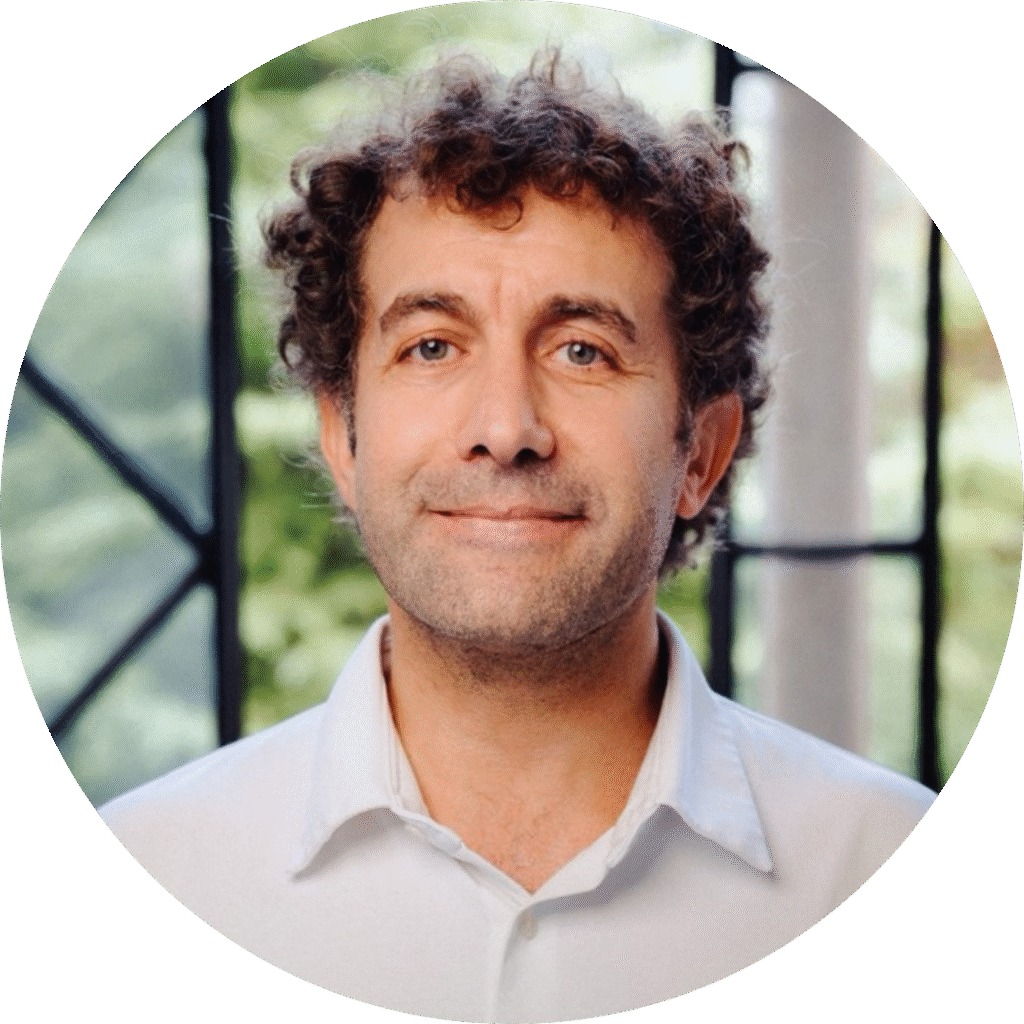
Youth-GEMs was presented at an international psychiatry congress on mental health and recovery in Bern, Switzerland, on 19 June 2026 [https://recovery-psychiatrie.eu/]. During the conference, Dr. Dorothee Horstkötter (Maastricht University) shared insights into how young people are increasingly becoming genuine partners in mental health research, drawing on experiences from the Youth-GEMs project and other collaborative research projects.
From participants to partners
Drawing on experiences from (amongst others) the Youth-GEMs project, Dr. Horstkötter explored how youth participation in research has evolved: from listening to young people in qualitative research as study participants to engaging them as co-designers and co-researchers. Her presentation highlighted both the value of meaningful collaboration and the practical and ethical challenges that come with it.
Co-creating an AI-based app to support youth mental health
One of the key examples presented was the co-creation of the AI-based mental health app currently being developed within Youth-GEMs. Through interviews with researchers from project partner Ab.Acus, AI developers, social scientists, psychiatrists, ethicists and members of the project’s Youth Advisory Group (YAG), the study examined how decisions are made throughout the app’s development. The findings demonstrate that young advisors make important contributions to the app’s design, language, usability and accessibility, helping ensure that the technology reflects the needs and preferences of future users. At the same time, the research showed that involving young people in highly technical decisions surrounding artificial intelligence remains challenging. Scientific complexity, technical expertise and language barriers can limit opportunities for shared decision-making in these areas.
Making participation more inclusive
The presentation also raised important questions about representation. Young advisors involved in research projects are often highly educated, English-speaking young adults, highlighting the need to actively involve younger adolescents and young people from more diverse educational, linguistic and lived-experience backgrounds. The session concluded that meaningful youth involvement has become an essential element of modern youth mental health research. However, it also emphasized that participation should be carefully designed and continuously evaluated to ensure it is inclusive, constructive and has a genuine impact on research outcomes.
To date, however it remains unclear how to balance aspirations for inclusivity with requirements of most notably technical expertise and understanding of scientific complexities.
Science Cafés put young voices at the centre
Within Youth-GEMs, engaging young people is a core principle of the project. Through a group of Young Experts working together in so called Science Cafés, young people help shape research activities, communication and the development of innovative digital tools. As Youth-GEMs continues to develop new approaches for predicting and preventing mental health problems in young people, ensuring that young voices remain at the heart of the research will continue to be a key priority.
Interested in our Science Cafés? Check our summaries at: Science Cafés – Youth-GEMs | Improving youth mental health, one step at a time. The Science Cafés in the Youth-GEMs project are organized and hosted by Euro Youth Mental Health (Euro Youth Mental Health – Working with and for young people across Europe to ensure happy and healthy futures).